HUNGER STRIKE 1981. BIK McFARLANE SVELA I COMUNICATI DI O’RAWE

Ex leader dei prigionieri dell’IRA noti i comunicati di O’Rawe
L’ex leader dei volontari dell’IRA in carcere Brendan ‘Bik’ McFarlane ieri ha reso note i comunicati segreti a sostegno della teoria che i repubblicani non rigettarono il patto con il governo britannico per porre fine allo Sciopero della Fame del 1981.
Qualche giorno fa, Richard O’Rawe, addetto all’ufficio stampa dell’IRA negli H-Blocks durante l’Hunger Strike, ha pubblicato il suo secondo libro “Dall’aldilà: Hunger Strike e l’Offerta Segreta che Cambiò la Storia d’Irlanda”.
In esso si dice che i prigionieri avrebbero voluto accettare l’offerta per porre fine alla protesta, ma la leadership dell’IRA si oppose dal di fuori del Maze. O’Rawe dice che come risultato sei hunger strikers morirono inutilmente.
McFarlane ieri ha detto che avrebbe interrotto cinque anni di silenzio per rilasciare le comunicazioni segrete dell’IRA scritte da O’Rawe durante l’Hunger Strike, in cui si accusa il Governo inglese di aver tentato di prolungarlo.
In esso, scrive “E’ fondamentale anche che tutti capiscano che l’ICJP [Irish Commission for Peace and Justice] è stata vittima della perfidia britannica e che l’ambiguità che accompagna ogni dichiarazione del governo britannico è deliberata, così che in un momento successivo essi possano negare le proprie responsabilità.”
In un altro frangente di scambio di comunicazioni scambiate tra i repubblicani fuori e dentro la prigione, O’Rawe commenta la decisione del NIO di inviare ufficiali in prigione per parlare con gli hunger strikers.
“Capite questo sviluppo perché è un’estensione dell’astuzia che ha caratterizzato il ruolo dei britannici in questa questione, scrive.
“Gli inglesi conoscevano la nostra posizione in merito alla loro dichiarazione dell’8 luglio ma videro la possibilità di guadagnarci sul campo propagandistico, quindi mandarono due ufficiali del NIO nella prigione nell’ambito della loro missione propagandistica per spiegare una dichiarazione che rigettavano completamente.”
In un’altra sezione, tratta del rifiuto del governo inglese di permettere a McFarlane di prendere parte ad un incontro tra il NIO e gli hunger strikers.
“Ancora una volta gli inglesi sono impegnati in un esercizio di propaganda… Il fatto è che se gli inglesi fossero stati effettivamente disposti a trovare una soluzione, un tale incontro avrebbe fatto bene e sarebbe stato accolto solo se gli hunger strikers fossero stati rappresentati adeguatamente nella persona di Brendan McFarlane,” scrive O’Rawe.
McFarlane dice di non condividere quanto asserito da O’Rawe sul fatto che l’IRA abbia permesso a sei dei 10 hunger strikers di morire inutilmente.
“Ho resistito deliberatamente a compiere attacchi personali contro Richard negli ultimi cinque anni” ha detto. “Ma penso che sia giunto il momento, una volta e per tutte, di dire senza ogni dubbio che quello che dice è completamente falso. Quelle comunicazioni sono scritte con la grafia di Richard stesso e mostrano piuttosto chiaramente che credeva che gli inglesi non avessero nessun interesse a fare un accordo. L’idea che un accordo provenisse dalla Thatcher e fosse respinto dalla leadership esterna come espediente politico è una bugia completa.
“Le sue teorie di una presunta conversazione con me in cui dissi che volevamo un accordo è soltanto un mito.
“I comunicati di Richard mostrano che gli inglesi non parlarono mai seriamente di un accordo.”
McFarlane afferma che quanto detto dall’ex compagno ha causato immenso dolore alle famiglie degli hunger strikers.
Spero che queste comunicazioni proveranno una volta per tutte chi dice la verità” ha dichiarato McFarlane.
Rispondendo alle critiche dell’ex compagno di cella, O’Rawe ha invitato Mr McFarlane a “dire la verità sull’Hunger Strike piuttosto che vomitare di nuovo la stessa frase senza senso.”
“Necessariamente, questi comunicati stampa dovevano essere inflessibili e con un tono duro, perché non venivano letti solo dalla gente per strada, ma anche dal governo inglese.
“Se avessero contenuto anche il minimo cenno di debolezza, sarebbe stato visto come una crepa nella nostra risoluzione e avrebbe portato ad un indurimento dell’attitudine del governo inglese.
“Quale parte di questo Bik non capisce?
“Forse dovrebbe chiedere ai suoi compagni nello Sinn Fein qual’è la differenza tra dichiarazione pubblica e realtà privata.
“Dopo tutto, per anni ci hanno detto che l’IRA non avrebbe mai e poi mai consegnato le armi, eppure in privato si facevano i preparativi per farlo.”
Traduzione a cura di Valentina Prencipe
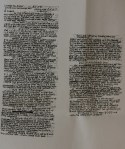
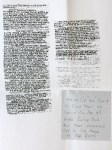
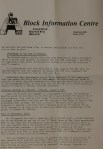
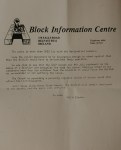
I COMUNICATI ALLA STAMPA DI O’RAWE


(Documenti tratti da Long Kesh)
Articoli Correlati
- The “Top Secret” Press Release (sluggerotoole.com)
- New Book by Richard O’Rawe (politics.ie)
Former IRA prison leader releases O’Rawe ‘comms’
Former IRA prison leader Brendan ‘Bik’ McFarlane yesterday produced secret ‘comms’ (communications) which he claimed prove that republicans did not reject a British government deal to end the 1981 Hunger Strike.
Earlier this week Richard O’Rawe, who was the IRA press officer in the H-Blocks during the Hunger Strike, published his second book Afterlives: The Hunger Strike and the Secret Offer that Changed Irish History.
In it he argues that prisoners had been willing to accept an offer to end the protest but this was rejected by the IRA leadership outside the Maze.
He claims that as a result six hunger strikers died needlessly.
Mr McFarlane said yesterday he would break five years of silence by producing secret IRA comms written by Mr O’Rawe during the Hunger Strike in which he accused the British government of trying to prolong it.
In them he writes: “It is vital also that everyone realises that the ICJP [Irish Commission for Peace and Justice] have been victims of British perfidity and that the ambiguity which accompanies all British government statements is deliberate, so that at a later stage they can abdicate their responsibility.”
In another part of the communications sent between republicans in and outside of the jail, Mr O’Rawe comments on a Northern Ireland Office decision to send officials into the prison to speak to hunger strikers.
“Understand this development for it is an extension of the cunningness that has marked the Brits’ role in this issue, he writes.
“The Brits know our stand in relation to their July 8 statement but they saw the possibility of gaining in the propaganda field, so they sent two NIO men in on their publicity mission to explain a totally rejected statement.”
In another section he refers to the British government’s refusal to allow Mr McFarlane to attend a meeting between the NIO and hunger strikers.
“Again the British are engaged in a propaganda exercise… The fact is that if the Brits were genuinely disposed to seeking a solution such a meeting would be of benefit and we would welcome it as long as the strikers are adequately represented in the person of Brendan McFarlane,” Mr O’Rawe writes.
Mr McFarlane said he rejected Mr O’Rawe’s claims that the IRA had allowed six of the 10 hunger strikers to die needlessly.
“I have deliberately resisted engaging in personal attacks on Richard for the last five years,” he said.
“But I feel it is not time, once and for all, to show beyond doubt that what he is saying is totally untrue.
“These comms are written in Richard’s own handwriting and show quite clearly that he believed that the British had no interest in a deal.
“The idea that a deal came from Thatcher and was rejected by the outside leadership for political expediency is a total fallacy.
“His claims of an alleged conversation with me in which I said we’d agreed to a deal is a complete myth.
“Richard’s own comms show that the Brits were never serious about a deal.”
Mr McFarlane said his former comrade’s claims had cause major distress to hunger strikers’ families.
“I hope these comms will prove once and for all who is telling the truth,” Mr McFarlane said.
Responding to his former cellmate’s criticism, Mr O’Rawe said Mr McFarlane should “tell the truth about the Hunger Strike rather than regurgitate this nonsense once more.”
“Of necessity, these press statements had to be unyielding and hard-hitting in tone because they were being read not just by the man and woman on the street but by the British government.
“If they had contained the least hint of weakness, that would have been seen as a crack in our resolve and resulted in a corresponding steeling of the British government’s attitude.
“What is it about this that Bik doesn’t understand?
“Perhaps he should ask his colleagues in the Sinn Fein leadership what is the difference between public statements and private reality.
“After all, for years they told us that the IRA would never, ever decommission, yet in private preparations were being made to do just that.”
 The Five Demands