L’INTERNAMENTO TRA I LEALISTI. “POLITICO? SBAGLIATO E ILLEGALE”
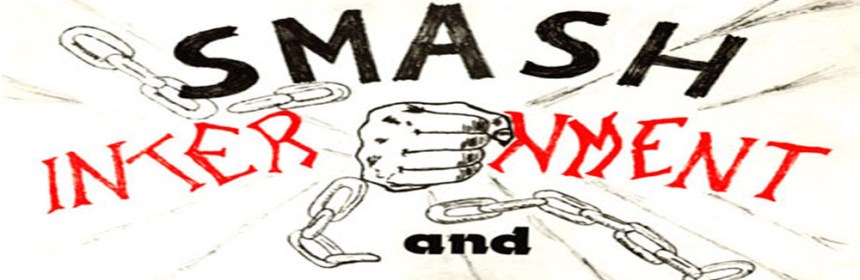
Tra le vittime dell’internamento introdotto nel 1971, non solo i repubblicani ma anche i lealisti. L’Ex-Prisoners Interpretative Centre di Shankill Road si affida all’avvocato Kevin Winters per un potenziale contenzioso
Kevin Winters rappresenta 17 uomini internati in momenti diversi tra il 1973 e il 1975. Ad avergli affidato l’Ex-Prisoner Interpretative Centre di Shankill Road.
“Un fatto spesso trascurato è che lealisti e protestanti siano stati prelevati dalle strade per motivazioni politiche, ed è questa la fonte e il cuore di questo potenziale contenzioso”, ha dichiarato Winters al Belfast Telegraph.
Testi e documenti sono stati resi disponibili dal National Archives di Londra. “Materiale significativo” che dimostra come l’internamento fosse una decisione politica, ma “è sbagliato e illegale essere detenuti per ragioni del tutto politiche. ”
“C’è questa percezione che i lealisti non siano stati colpiti da violazioni dei diritti umani durante il conflitto”, ora pretendono uguaglianza, giustizia ed il diritto ad aspirare anche loro ad un risarcimento danni.
Interned loyalists were pawns, says lawyer in legal bid (Belfast Telegraph)
A prominent lawyer has described the decision to intern loyalists almost 40 years ago as “political? wrong and unlawful”.
Kevin Winters is representing 17 men detained without trial at different times in the period stretching from 1973 to 1975.
Mr Winters told the Belfast Telegraph the “traumatic experience” of that internment period is still playing out in both communities today.
The specific legal case he is involved in was referred to him by the Shankill-based Ex-Prisoners Interpretative Centre (Epic).
“An often overlooked fact is that a certain body of loyalists/Protestants were taken off the streets to serve a wider political agenda, and it is that which is at the source and core of this potential litigation,” Mr Winters told this newspaper.
He said the “international backlash” at the one-sided nature of internment had forced the authorities into “a balancing of the books”.
“In terms of dealing with that, there was a focus-directed political decision to take token Protestants/loyalists off the street and put them behind bars and detain them,” Mr Winters said.
As part of the preparation for this test case, documents have been researched at The National Archives in London.
And, according to the lawyer, “significant material” has been found “which we say, now having examined it, points to that submission; namely that this was entirely a political decision to detain, and, in fact, that’s wrong and unlawful to be detained for entirely political reasons.”
Commenting on the developing case, William ‘Plum’ Smith of Epic said loyalists want equality and justice.
“There’s this perception that loyalists were not affected by the breaches of human rights during the conflict,” he said. “That includes internment, shoot-to-kill and miscarriages of justice.
“Loyalists are seeking whatever compensation they are entitled to.”
Internment was introduced by then Prime Minister of Northern Ireland Brian Faulkner in 1971, handing the authorities the power to indefinitely detain suspected terrorists without trial until it was scrapped in 1975.
 The Five Demands