100 ORE DI VIDEO AL VAGLIO DEGLI INVESTIGATORI
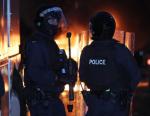 La PSNI promette l’identificazione dei rivoltosi
I video provenienti da telecamere a circuito chiuso (CCTV), così come fonti internet sono gli strumenti su cui la PSNI sta basando le proprie indagini al fine di identificari i responsabili dei disordini che hanno flagellato l’area di Ardoyne negli ultimi 4 giorni.
La polizia ha anche rivelato che sono 10 gli arresti fino ad ora effettuati, tutti in un range di età tra i 15 e i 20 anni.
Sequestrate 33 bottiglie di vernice e più di altre 100 bottiglie che si sospetta avrebbero dovuto essere utilizzate per la fabbricazione di bombe molotov.
Rispondendo alle critiche piovute da più parti per l’opinabile tattatica adottata dalla polizia, il Chief Constable ha ribadito che nessun altra forza polizia al mondo ha mai mostrato la stessa fermezza che ha avuto la PSNI dinnanzi ai disordini di queste ultime ore.
In Irlanda del Nord l’approccio della polizia alle situazioni di disordine pubblico è di contenimento e raccolta prove.
Durante i riots gli agenti di polizia collezionano filmati attraverso l’utilizzo di telecamere portatili e macchine fotografiche annesse ai veicoli corazzati.
Video raccolti anche dagli elicotteri impiegati durante le operazioni.
E probabilmente sarà da queste immagini registrate che scaturiranno ulteriori fermi.
Guarda il Video


Vodpod videos no longer available.
Police team ‘identifying Belfast rioters’ (BBC News Northern Ireland)
Twenty PSNI officers are investigating footage of rioting in north Belfast’s Ardoyne area to identify those involved, police have said.
Detective Chief Inspector Alan Little said 100 hours of video footage and 1,000 photographs taken by intelligence gathering teams were being looked at.
Evidence from other sources, including the internet, was also being examined, he said.
There was a fourth night of rioting in north Belfast on Wednesday.
A car was set on fire and petrol bombs and fireworks were thrown during sporadic violence in Ardoyne. Police fired baton rounds in response.
On Thursday night, police said an 18-year-old man had been charged with 10 offences, including rioting, having and throwing petrol bombs and assault on police.
He is to appear in court on Friday.
DCI Little said those organising the riots were using children as “sand bags” and appealed to parents to get their children off the streets at night.
“Those hiding behind them in the shadows are not the ones with the petrol bombs in their hands,” he said.
“And they are not the ones ending up with criminal records which could seriously affect that young person’s future.”
Wednesday night’s trouble was less intense than the violence seen on previous evenings and involved fewer rioters.
Police used a water cannon to disperse the crowd.
They said a number of police officers had been injured but none were thought to be in a serious condition.
Two men in their late teens and early 20s were arrested. One was released pending further inquiries.
Police also revealed 10 arrests have been made in south and east Belfast over rioting there.
Seven were in the Ormeau Road area for riotous behaviour and three in the Albertbridge Road area for attempted murder (throwing a petrol bomb into a car), riotous behaviour and disorderly behaviour.
Those arrested range between 15 and 20 years of age.
Police also seized 33 bottles of paint and more than 100 other bottles they believe were to be used to make paint or petrol bombs during searches in south and east Belfast on
Pair Remanded
On Thursday, a man and a youth were remanded in custody accused of being involved in Twelfth of July rioting in south Belfast.
The 16-year-old suspect, who cannot be named, is charged with throwing a petrol bomb with intent to injure police officers.
He faces a second count of riotous behaviour in the Ormeau Road area.
Gary Kelly, 20, of Lavinia Mews, Belfast, was charged with riotous assembly on the same date.
Meanwhile, two men have been arrested by police investigating a shooting in which three police officers were injured in north Belfast on 12 July.
The men, aged 25 and 35, were taken to Antrim police station for questioning about the gun attack in North Queen Street, during a riot on Monday.
PSNI: Damned if they do, damned if they don’t (Belfast Telegraph)
The emotive reaction of the public as they watch footage of officers not retaliating when under attack from a mob of rioters is understandably one of incredulity as to why they did not move in and make immediate arrests.
As the Chief Constable pointed out, no other police force in the world would have shown the restraint that PSNI officers showed during the recent riots.
In Northern Ireland the police approach to public disorder situations is one of containment and evidence gathering.
During riots officers can be seen gathering footage on hand-held cameras and cameras attached to armoured vehicles.
Video footage is also gathered from the police helicopter.
Officers will no doubt be studying the hours of video that was gathered to identify as many of the perpetrators as possible.
One of the problems, however, is making sure the charges stick, and that is up to the Public Prosecution Service.
One of the reasons the PSNI adopt this containment and evidence gathering approach is that if they were seen to be too heavy handed it would inflame an already volatile situation and put the safety of officers and the public at even greater risk.
Breaking the cordon that officers set up around rioters would also risk leaving police open to more serious attack from dissident republicans, who have been using the riots as a cover to target officers with bombs and guns.
Also, any wrong move by officers could be used as fodder by dissidents to increase support or spark a political row.
After the riots in north Belfast on Monday the PSNI were criticised on one hand for firing too many plastic bullets, and then criticised on the other for not being tough enough.
 The Five Demands