SPECIALE ELEZIONI. IN ESCLUSIVA, L’INTERVISTA A MARTINA ANDERSON, SINN FEIN
A meno di un giorno dall’apertura delle urne, Martina Anderson parlamentare a Stormont per il Sinn Fein, ha rilasciato un’intervista condotta da Flavio Bacci, in ESCLUSIVA per The Five Demands
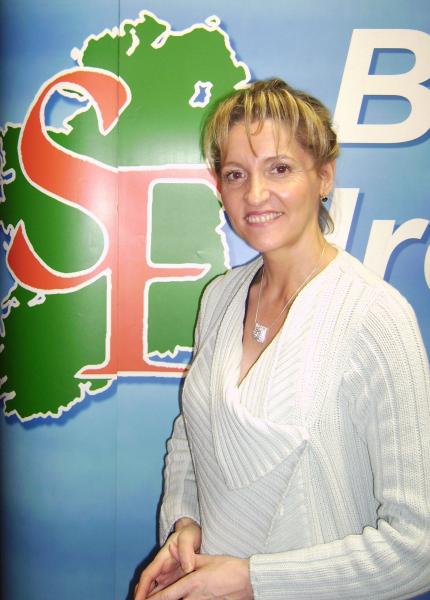
Martina Anderson
Chi è Martina Anderson?
Martina Anderson è nata e cresciuta nella zona del Bogside di Derry. In una famiglia formata da dieci figli – 7 ragazze e 3 ragazzi – Martina è il frutto di un matrimonio misto, sua madre è cattolica e il padre protestante.
La sua evoluzione politica è stata fortemente influenzata dalle costanti incursioni dell’esercito britannico e della RUC in casa sua e in quelle dei vicini così come dalle tante storie dello stato di oppressione del governo unionista.sulle legittime richieste della campagna per i diritti civili.
Non notando alcuna tolleranza per le pacifiche proteste politiche Martina entrò a far parte del movimento repubblicano nei primi anni ’70. Da allorafu coinvolta nelle politiche repubblicane.
Dopo aver trascorso oltre 13 anni di carcere, 10 delle quali nelle prigioni inglesi, è stata rilasciata nel novembre 1998, sotto i termini della Good Friday Agreement e subito si è profusa nel promuovere la strategia di pace dello Sinn Fèin.
Da allora ha ricoperto diverse posizioni di rilievo nelle strutture di partito tra cui nel Ard Chomhairle (Esecutivo Nazionale) e come tutti i politici d’ Irlanda coordinatrice con il compito di promuovere, migliorare e integrare la strategia per un Irlanda unita.
Nel marzo 2006 è stata nominata dal partito Director of Unionist Engagement come parte del Party’s Outreach Programme. In tale veste Martina si è riunita regolarmente con un ampia fetta della comunità unionista tra cui dirigenti della Chiesa, imprese, comunità, politici e rappresentanti unionisti.
Martina è stato eletto all’Assemblea di Stormont in qualità di membro del Foyle nel marzo 2007 ed è stata una forte voce per le persone svantaggiate nella società in veste di portavoce del partito per la parità e i diritti umani.
Dopo la storica decisione dello Sinn Féin di prendere parte alle strutture di polizia dal 31 maggio 2007, Martina è stata nominata insieme ai colleghi di partito, Alex Maskey e Daithi McKay, membro del Policing Board.
Versione integrale dell’intervista (in lingua inglese – seguirà traduzione)
1) Mrs Anderson, why did you decide your candidature?
The process of candidate selection is set out in the Sinn Féin Constitution. Anyone going forward for selection must be nominated and then go through a ratification process. It is not a decision that is taken by the individual. I was honoured to be nominated, selected and ratified by my comrades in Derry Sinn Féin as their candidate in this Westminster election.
2) Although SF had increased his votes, in 2005 Mark Durkan still remained the most voted with plus than 46%. Why people from Foyle should vote for you on this election ?
Since Sinn Féin entered electoral politics in the mid-eighties increasing numbers of people are listening to our message about how we can reshape our future through the ballot box. It is recognised that the Sinn Féin strategy has delivered the enormous change to date and that Sinn Féin Leadership will continue to deliver for the people in social, economic and re-unification terms. In every election in the past decade, Sinn Féin has increased its percentage of the vote in Derry while that of the SDLP has continued to diminish. It is clear that the electorate are looking for change and leadership. I can deliver that change and give that leadership.
3) In 2007 you, as MLA, was one the first SF member to join Northern Ireland Policing Board. Which is your personal impression about this experience?
That decision has been a real challenge, but we are making progress. In a sense we (myself, Alex Maskey, Daithi McKay, Gerry O’Hara) were the vanguard pushing for change on the human rights and equality agenda, while focusing on tightening up policy, codes of conduct and ethics, etc. We present a real challenge to the function of the policing board and its sub-committee’s. The inclusion of Sinn Féin reps on the policing board structures completely changed how these structures operate – were before there was a culture of compliance to the Chief Constable and his sub-ordinates to one were decisions are examined and scrutinised with sufficient probity. At the same time our leadership were focusing on the big prize of transfer of policing and justice powers to the Northern Assembly. Many people said it could not or would not be done. They were wrong. When leadership was called for Sinn Féin delivered.
4) The deputy F.Minister, Martin McGuinness predicts an united Ireland by 2016. Do you think it could be possibile?
That’s not exactly what he said. Martin McGuinness stated that if we worked hard and stayed focused and spread our message there is no reason why a United Ireland by 2016 was not acheivable. It is important that people have an objective or bench mark in order to develop a strategy to achieve goals. 2016, the 100th year of the Easter Rising can focus minds on our primary goal of a united, soverign Ireland built on equality and justice for all. In Sinn Fein, we have a sophisticated view of reunification. It’s not just the removal of the invisible line which is the border but the removal of all the injustices perpetrated by the British imposition of partition on the people of Ireland. Not one Irish vote was cast for partition. The dislocation in real terms is the effects on our economic and public services. On this small island we have two of everything. Although felt more acutely the closer to the border you get it impacts on every person living on the island of Ireland to a greater or lesser extent. For example, somebody living in Donegal, within yards of the border may have to travel to whole way to Dublin (175 miles) for critical health care when they could recieve the same treatment 5 miles away in Derry. This debilitating duplication of services impact on almost every apsect of the public services. The fact is that Partition is an impediment to planning and development. It’s a major inhibitor of economic recovery. We simply can’t afford it. I think that as a constitutional concept ‘the Union’ is begining to fall apart not just here in the North of Ireland – were we have our own Northern Assembly and all-Ireland institutions – but also in Scotland and Wales. So in answer to your question I think that a United Ireland in 2014 is prefferable , I think a United Ireland in 2016 is possible, I believe that a Unitied Ireland at some point in the not too distant future is inevitable.
5) Talking about your past life, how do you judge your activity in the IRA?
War is a terrible thing. Let’s not pretend it is anything else. But the challenge is how to come out of conflict and also eradicate the causes that gave rise to the conflict in the first place so that war is not revisited by future generations. We need to build a successful conflict resolution process. I believe that we are succeeding in that project. While no two conflicts are exactly the same, the causes of conflict – oppression, discrimination and dominance by invaders or colonists are usually not too far away – what we have succeeded in doing thus far is to create a template of the basic ingredients required to build a successful conflict resolution process. That is what we have to offer other trouble spots in the world.
Conflicts can only be resolved by engaging with your enemies, negotiating a settlement, talking, and making space for the other.
The British finally recognised that you don’t resolve political conflicts through security and oppressive measures. Negotiation is the only process. Any democratic process must have equal space for all shades of opinion and aspirations. All the people working together.
6) Do you think that some undecided electors could be discouraged to vote you because your past life in the IRA?
People have been responding positively to the leadership Sinn Féin has been giving throughout the course of the Peace Process. And the political stability that leaderhip has brought about for all the people in the long term is recognised. So the evidence shows that political support for the Sinn Féin Peace Strategy is increasing all the time. Having a IRA past is less concern to people, it is the strong Republican leadership now and into the future that people are looking for.
7) You spent over 13 years in prison. What can you say about your experiences?
My experience in England was different to my comrades here in Ireland. In England we (Ella O’Dwyer and I) were held in a prison called Durham Jail – which was/is mainly an all-male prison with one wing for women. Many of the women should have been receiving psychiatric care as opposed to institutional care. We were constantly stripped searched – sometimes 6 times a day.
The one thing that differentiated us from the other women was that we did not have the guilt that many of them suffered from and we were political prisoners – although not recognised by the system.
I wanted to still grow as a person in jail – and despite my imprisonment I believe I succeeded in doing that.
I did what I could to help the women around me and also empower them – the prison would have wanted to keep them down.
I was transferred to Ireland after almost 10 years and spent over 3 in Maghaberry Prison before being released under the terms of the GFA.
Jail re-inforced the though that said – your right.
8 ) SF after long years following the abstensionism principle, they seated on Stormont, as we said in 2007 you joint the NI Policing Board. Do you think that the party will never sit at Westminster?
As an Irish Republican Party no Sinn Féin representative will take an Oath of Allegiance to a British Monarch or sit in a Parliament other than on the island of Ireland.
9) A recent poll that Five Demands had published was about the name of Derry/Londonderry. Do you think that the issue is important to be faced for the community?
- The name change is required to settle on a single name for the marketing and development of this city. Derry is the only name that that is used universally by the residents of the City. Few people, unless attempting to make a political statement use Londonderry. Even unionists in every day speech and in the titles of exclusively unionist institutions and events in their culture or history use the name Derry. E.G. Apprentice Boys of Derry, Siege of Derry, Derry Walls, as do all of the Protestant Churches – Church of Ireland Diocese of Derry and Raphoe, Derry Presbitery etc.
- The fact is that the City is losing out on much of the tourist product that is achievable because of the plethora of names attached to it. Derry, Londonderry, Doire, Walled City, Maiden City, Foyle etc. It needs a single focussed brand name and the only one in daily use is Derry. We will persevere until we succeed in reinstating the ancient name of Derry as its official name.
10) Do you consider the deal about devolution a sinn fein success or a success of all the parties involved?
While the sucess of the transfer of Powers was achieved through cross party effort – it was a Sinn Féin demand and vigorously pursued by our negotiators. When others gave up and told us that Policing and Justice powers would not be devolved – SF redoubled our efforts for what the people wanted and deserved which was the transfer of powers on away from London and into the control of locally elected politicians – which was part of the St. Andrews agreement.
The people demanded a justice system that delivers. They are sick and tired of the revolving door justice system which allows criminals and thugs back on the streets hours after being arrested.
They have had enough of seeing death drivers walk free on bail to continue terrorizing our communities. We have delivered change in Ireland like no other party has done – so while others were involved in the vision of devolution – it is SF that is delivering the reality of that vision.
Slán
Martina Anderson MLA
Sinn Féin
Equality & Human Rights Spokesperson
(Intervista in esclusiva quindi riproducibile in lingua inglese e/o in lingua italiana, PREVIO ACCORDO con The Five Demands)


Segue traduzione in lingua italiana
1. Mrs Anderson, perché ha deciso di candidarsi?
Il processo per la selezione del candidato è stabilito nella Costituzione del Sinn Féin. Chiunque vada avanti per la selezione deve essere nominato e poi passare attraverso un processo di ratificazione. Non è una decisione presa dall’individuo. Ho avuto l’onore di essere nominata, scelta e ratificata dai miei compagni del Sinn Féin di Derry come loro candidata in questa elezione a Westminster.
2) Anche se il SF ha aumentato i suoi voti, nel 2005 Mark Durkan rimaneva ancora il più votato con più del 46%. Perché la gente di Foyle dovrebbe votare per lei in questa elezione?
Da quando il SF entrò nella politica elettorale a metà degli anni 80, un numero in crescita di persone stanno ascoltando il nostro messaggio su come possiamo rimodellare il nostro futuro grazie alle urne. È riconosciuto che la strategia del SF ha portato enorme cambiamento e che la leadership del SF continuerà a portarne nel sociale, in economia e in termini di riunificazione. In ogni elezione nella scorsa decade, il SF ha aumentato la propria percentuale di voto a Derry mentre quella del SDLP ha continuato a diminuire. È chiaro che l’elettorato sta cercando un cambiamento e leadership. Posso portare quel cambiamento e dare quella leadership.
3) Nel 2007 lei, come MLA (Membro dell’Assemblea Legislativa) è stata il primo membro del SF a far parte del Policing Board. Qual’è la sua impressione personale su questa esperienza?
Quella decisione è stata una vera sfida, ma stiamo facendo progressi. In un certo senso, noi (io, Alex Maskey, Daithi McKay, Gerry O’Hara) siamo stati l’avanguardia che ha spinto per il cambiamento sull’agenda dei diritti umani ed uguaglianza, mentre ci concentravamo sulla politica, i codici di condotta e l’etica, etc. Siamo una vera sfida alla funzione del Policing Board e ai suoi sotto-comitati. L’inclusione dei rappresentanti del SF nelle strutture del Policing Board ha cambiato completamente come funzionano queste strutture – dove prima c’era una cultura di sottomissione al Chief Constable e ai suoi subordinati ad una dove le decisione sono esaminate e scrutinate con sufficiente cura. Al tempo stesso la nostra leadership si stava focalizzando sul trasferimento dei poteri di polizia e giustizia all’Assemblea del Nord. Molte persone dissero che non si poteva e non si doveva fare. Si sbagliavano. Quando la leadership è stata richiesta, il Sinn Féin ha risposto.
4)vice Primo Ministro, Martin McGuinness predice un’Irlanda unita nel 2016. Pensa che potrebbe essere possibile?
Non è esattamente quello che dice. Martin McGuinness ha detto che se lavoriamo sodo e restiamo concentrati e diffondiamo il nostro messaggio non c’è ragione perché un’Irlanda Unita non sia possibile nel 2016. E’ importante che la gente abbia un obiettivo o un punto di riferimento per sviluppare una strategia per raggiungere degli obiettivi. Il 2016, il centenario dalla Easter Rising, può far focalizzare mente sul nostro obiettivo primario di una Irlanda unita e sovrana, costruita su uguaglianza e giustizia per tutti. Nel Sinn Fein, abbiamo una vista sofisticata della riunificazione. Non è solo la rimozione della linea invisibile che è il confine, ma la rimozione di tutte le ingiustizie perpetrate dall’imposizione della partizione dell’Inghilterra sulla gente d’Irlanda. Nessun voto irlandese è stato fatto per la partizione. La dislocazione in termini reali è negli effetti sulla nostra economia e sui servizi pubblici. Su questa piccola isola noi abbiamo due di ogni cosa. Anche se è sentito maggiormente quando ci si avvicina al confine, ha effetti su ogni persona che vive sull’isola d’Irlanda in modo più o meno forte.
Per esempio, qualcuno che vive nel Donegal, a poca distanza dal confine potrebbe dover viaggiare fino a Dublin (280 Km) per servizi medici importanti, mentre potrebbero ricevere lo stesso trattamento a Derry che si trova a soli 10 Km. Questa duplicazione dei servizi ha un impatto in quasi ogni aspetto dei servizi pubblici. Il fatto è che la partizione è un impedimento al progetto e allo sviluppo. È un maggiore inibitore della ripresa economica. Noi semplicemente non ce lo possiamo permettercelo.
Penso che come concetto costituzionale “L’Unione” sta cominciando a disgregarsi non solo qui in Nord Irlanda – dove abbiamo la nostra Assemblea e le istituzioni dell’Irlanda Unita – ma anche in Scozia e Galles. Quindi per rispondere alla domanda penso che un’Irlanda unita nel 2014 sarebbe preferibile, e che un’Irlanda unita nel 2016 sia possibile. Credo che un’Irlanda unita ad un certo punto in un futuro non troppo distante sia inevitabile
5) Parlando della tua vita passata, come giudica la tua attività nell’IRA?
La guerra è una cosa terribile. Non fingiamo che sia nient’altro. Ma la sfida è come uscire dal confillo e anche come sradicare le cause che hanno sollevato il conflitto in primo luogo così che la guerra non sia ripensata dalle generazioni future. Abbiamo bisogno di costruire un processo di risoluzione del conflitto di successo. Credo che stiamo riuscendo in quel progetto. Due conflitti non sono mai esattamente uguali, ma le cause del conflitto – oppressione, discriminazione e dominio di invasori o colonialisti non sono di solito troppo dissimili – quello che siamo riusciti a fare finora è di creare un modello degli ingredienti di base per costruire un processo di risoluzione del conflitto di successo. È questo che abbiamo da offrire ad altri luoghi con “troubles” nel mondo. I conflitti possono essere risolti solo coinvolgendo con i nemici, negoziando un accordo, parlando e facendo spazio per l’altro.
Gli Inglesi hanno alla fine riconosciuto che non si risolvono i conflitti politici con misure di sicurezza e oppressione. La negoziazione è il solo processo. Ogni processo democratico deve avere spazio uguale per tutte le correnti di opinione e ispirazioni. Tutte le persone devono lavorare assieme.
6) Pensa che alcuni elettori indecisi possano essere persuasi dal votare per lei per via della sua vita passata nell’IRA?
La gente ha risposto in modo positivo alla leadership che è stata data al Sinn Féin nel corso del Processo di Pace. E la stabilità politica che quella leaderhip ha portato alle gente sul lungo termine è riconosciuta. Quindi l’evidenza mostra che il supporto politico per la Strategia di Pace del Sinn Féin aumenta di continuo. Avere un ex militante dell’IRA preoccupa meno la gente; è una leadership repubblicana forte ora e in futuro che la gente cerca.
7) Lei ha passato più di 13 anni in prigione. Cosa può dire di quell’esperienza?
La mia esperienza in Inghilterra è stata diversa da quella dei miei compagni qui in Irlanda. In Inghilterra noi (Ella O’Dwyer e io) eravamo detenute in un carcere chiamato Durham – che era/è una prigione maschile con un’ala per le donne. Molte delle donne avrebbero dovuto ricevere cure psichiatriche invece che cure istituzionali. Eravamo di continuo “stripped searched” – a volte anche sei volte al giorno. L’unica cosa che ci rendeva diverse dalle altre donne era che noi non avevamo il senso di colpa che molte di loro soffrivano ed eravamo prigioniere politiche – anche se non riconosciute dal sistema. Io volevo ancora crescere come persona in prigione – e nonostante la mia prigionia credo di esserci riuscita. Ho fatto quel che ho potuto per aiutare le donne intorno a me e anche dato loro forza – la prigione avrebbe voluto tenerle a basso livello. Sono stata trasferita in Irlanda dopo quasi dieci anni e ho passato tre anni a Maghaberry prima di essere rilasciata sotto i termini del GFA (Good Friday Agreement).
La prigione ha rinforzato il pensiero che diceva – hai ragione.
8 ) SF dopo anni di sostegno al principio dell’astensionismo, siede a Stormont e come detto, nel 2007 lei è entrata a far parte del Policing Board. Pensa che il partito siederà mai a Westminster?
Come Partito Repubblicano Irlandese, nessun rappresentante del Sinn Féin farà un giuramento di Obbedienza al Monarca inglese o siederà in un parlamento che non sia quello dell’isola d’Irlanda.
9) Un sondaggio che Five Demands ha pubblicato di recente è stato sul nome di Derry/Londonderry. Lei pensa che sia importante che il tema venga affrontato dalla comunità?
1. Il cambio di nome è richiesto per accordarsi su un singolo nome per il marketing e lo sviluppo di questa città. Derry è il solo nome usato dai residenti della città. Poche persone, a meno che non stiano tentando di fare una dichiarazione politica, usano Londonderry. Persino gli unionisti nei discorsi quotidiani e nei titoli di istituzioni unicamente unioniste e di eventi della loro cultura o storia usano il nome Derry. Per esempio, Apprentice Boys of Derry, Assedio di Derry, Mura di Derry, come fanno tutte le chiese protestanti – Diocesi dela Church of Ireland di Derry e Raphoe, Derry Presbitery etc.
2. è un dato di fatto che la città perda così tanto del prodotto turistico che sarebbe ottenibile a causa dei numerevoli nomi che le sono dati. Derry, Londonderry, Doire, Walled City, Maiden City, Foyle etc. Serve un solo nome e l’unico di uso quotidiano è Derry. Noi persevereremo finché non otterremo il ripristino dell’antico nome di Derry come nome ufficiale.
10) Considera l’accordo sulla devolution un successo del Sinn Fein o un successo di tutti i partiti coinvolti?
Mentre il successo del trasferimento dei Poteri è stato ottenuto grazie agli sforzi di tutti i partiti, è stato un successo del Sinn Féin, che ha chiesto [la devolution] e l’ha con vigore perseguita con i nostri negoziati. Altri gruppi si sono arresi e ci hanno detto che i poteri di Policy e Giustizia non ci sarebbero stati dati. Il SF ha raddoppiato gli sforzi per quello che la gente voleva e meritava, cioè il trasferimento dei poteri da Londra e nel controllo di politici eletti localmente – come facente parte degli accordi di St. Andrews. La gente chiedeva un sistema giudiziario che funzionasse. Sono stanchi e stufi del sistema che permette ai criminali e teppisti di tornare in strada poche ore dopo l’arresto. Ne hanno abbastanza di vedere portatori di morte camminare liberamente in libertà provvisoria per continuare a terrorizzare le nostre comunità. Noi abbiamo portato un cambiamento in Irlanda come nessun partito ha fatto. Così mentre altri erano coinvolti nella visione della devolution, è stato il SF che ha portato alla realtà quella visione.
Slán Martina Anderson MLA
Sinn Féin
Portavoce per l’Uguaglianza e i Diritti Umani
(si ringrazia Valentina Prencipe della collaborazione)

